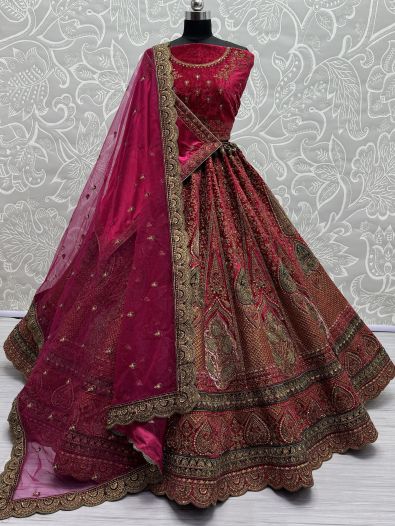
A Salwar Kameez is a traditional South Asian garment worn by both men and women, particularly in countries like India, Pakistan, Bangladesh, and Afghanistan. It consists of three main components: the kameez (or kurta), the salwar (or shalwar), and the dupatta.
The kameez, which serves as the top of the outfit, is a long tunic-style garment that can vary in length from hip-length to ankle-length. It comes in various styles, necklines, and sleeve lengths, offering options like round neck, V-neck, boat neck, scoop neck, or collar neck, and can feature sleeveless, short sleeves, three-quarter sleeves, or full sleeves. The kameez is often adorned with intricate embroidery, embellishments, or prints, adding to its aesthetic appeal.
The salwar is the bottom of the outfit, a loose-fitting pant that can vary in style from straight-cut trousers to flared palazzos or tapered churidars. The salwar is typically gathered at the waist and secured with a drawstring or elastic band, offering comfort and ease of movement. It is designed to complement the kameez, creating a cohesive and fashionable ensemble.
Completing the Salwar Kameez is the dupatta, a long scarf or shawl that is draped over the shoulders or around the neck. The dupatta adds an extra layer of elegance and grace to the outfit and can be made from a variety of fabrics like chiffon, georgette, silk, or cotton. It is often adorned with matching embroidery, embellishments, or borders, enhancing the overall look of the ensemble.
Salwar Kameez is a versatile garment that can be worn for various occasions, from casual outings to formal events. It offers comfort, modesty, and timeless style, making it a popular choice among people of South Asian descent as well as those who appreciate its cultural significance and aesthetic appeal. With its rich history and modern interpretations, the Salwar Kameez continues to be a cherished wardrobe staple for people around the world.